

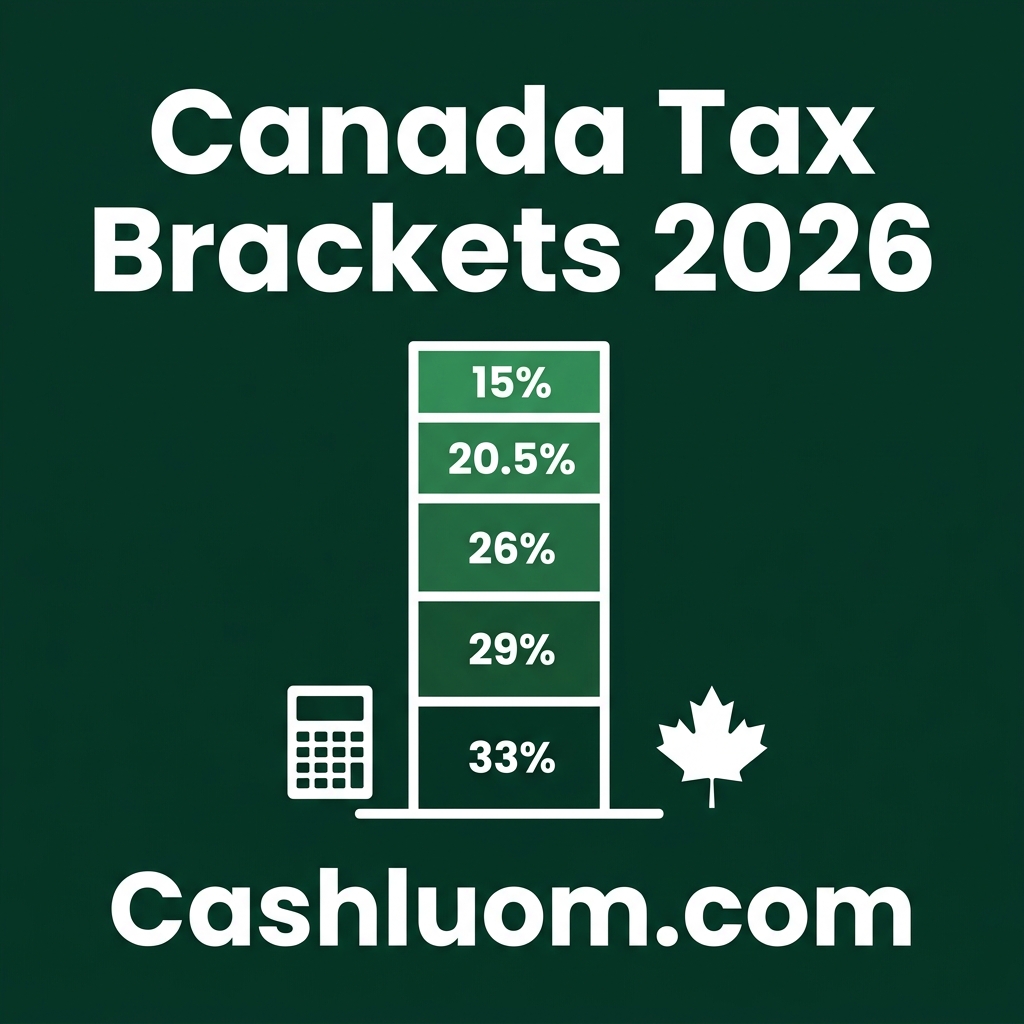
For years, Nova Scotia was one of the few provinces in Canada that did not index its tax brackets to inflation, leading to "bracket creep" that slowly eroded the take-home pay of its residents. However, for the 2026 tax year, the provincial government has fully embraced indexation, providing much-needed relief for workers in Halifax, Sydney, and beyond. While Nova Scotia still maintains some of the highest combined tax rates in the country, these new structural changes represent a significant shift in the province's fiscal policy. This guide explores the 2026 Nova Scotia tax landscape and how to keep more of your hard-earned Atlantic dollars.
Total NS Tax = (Income × NS Brackets) + 15% HST
Nova Scotia shares the highest sales tax rate in Canada (15%) with its Atlantic neighbors.
The 15% HST: Why the Atlantic Provinces Pay More
Nova Scotia is part of the Harmonized Sales Tax (HST) system, combining the 5% federal GST with a 10% provincial component for a total of 15%. This matches the rates in New Brunswick, Prince Edward Island, and Newfoundland and Labrador.
For a household spending $50,000 a year on taxable goods and services, the 15% HST is $7,500 a year. The same household in Alberta pays only $2,500 in sales tax. This 10% difference is one of the primary drivers of the higher cost of living in the Atlantic region. If you are a business owner or a frequent shopper, our Nova Scotia HST Calculator is an essential tool for verifying your "tax-inclusive" costs.
Nova Scotia's 2026 Income Tax Brackets: The End of Bracket Creep
The biggest news for 2026 is the full implementation of indexed tax brackets. In the past, as Nova Scotians received cost-of-living raises, they were pushed into higher tax brackets even though their purchasing power hadn't increased. By indexing these brackets to the Consumer Price Index (CPI), the government has effectively stopped this "hidden tax increase."
| NS Taxable Income (2026) | Provincial Rate | Combined Rate (with Federal) |
|---|---|---|
| First $29,590 | 8.79% | 23.79% |
| $29,591 to $59,180 | 14.95% | 29.95% – 35.4% |
| $59,181 to $93,000 | 16.67% | 37.1% – 42.6% |
| $93,001 to $150,000 | 17.5% | 43.5% – 46.5% |
| Over $150,000 | 21% | 54% |
The Basic Personal Amount: Shielding the First $11,000+
Nova Scotia also indexes its Basic Personal Amount (BPA). For 2026, the provincial BPA is expected to be approximately $11,744 (with a potential "top-up" for those earning under $25,000). This means that for a low-income worker, the first ~$11,700 of provincial income is completely tax-free.
When combined with the federal BPA of $16,452, a Nova Scotian worker can earn a significant portion of their income before the combined tax burden kicks in meaningfully. However, the "phase-out" of the provincial BPA top-up for those earning over $25,000 creates a high "marginal" tax zone that middle-income earners should be aware of.
Frequently Asked Questions
Is there a rebate for the 15% HST in Nova Scotia?
Low and modest-income residents receive the Nova Scotia Affordable Living Tax Credit (NSALTC), which is designed to offset the impact of the HST. This is paid quarterly along with the federal GST/HST credit.
Does Nova Scotia have a specialized tax for remote workers?
No. Like all other provinces, if you live in Nova Scotia on December 31st, you pay Nova Scotia income tax, regardless of where your company is based (even if you work for a US or Ontario firm remotely).
What are the property tax rates in Halifax (HRM) for 2026?
Property taxes are set by municipalities, not the province. Halifax typically has a combined rate of approximately 1.0% to 1.2% of the assessed value, which is capped for residents under the Capped Assessment Program (CAP).
Can I deduct moving expenses if I move to Nova Scotia for work?
Yes. If you move at least 40 kilometers closer to a new place of work or to study full-time at a post-secondary institution, you can deduct eligible moving expenses from the income you earn at your new location.
Why are the tax rates higher in Nova Scotia than in Ontario?
Nova Scotia has a smaller population base and a higher percentage of seniors compared to Ontario, leading to higher per-capita costs for healthcare and infrastructure. High provincial tax rates are the primary tool used to fund these essential services.
While Nova Scotia remains a high-tax jurisdiction, the shift toward indexation in 2026 is a welcome change for the provincial workforce. By understanding how the brackets interact with the HST and available family benefits, you can better navigate your financial future on the East Coast.
Want to see how your take-home pay compares to someone in Toronto or Calgary? Use our Canada Salary Calculator to run the numbers and see your net pay after Nova Scotia's 2026 provincial deductions.
Sources & Citations: Content verified against official guidelines from the IRS (US), HMRC (UK), and ATO (AU). Information is reviewed for accuracy prior to publication.
Free Calculator
Canada HST Calculator
The definitive tool for Canadian sales tax. Instantly add or remove HST, GST, and PST from any amount. Pre-configured with verified 2026 rates for all 13 provinces and territories, including Ontario (13%), British Columbia (12%), Quebec (14.975%), and Alberta (5%). Essential for Canadian freelancers and small businesses.
Comments are coming soon. Have feedback? Contact us.